
Technical Summary:
For heavily indebted governments, rising interest rates force a choice between austerity, taxes or keeping borrowing costs artificially low through Yield Curve Control (YCC). Over the next 5 to 10 years, this risks creating “financial repression,” where inflation outpaces fixed-income yields and eats away at savers’ purchasing power, even as nominal account balances grow. To protect retirees’ lifestyles and real value, advisers must build portfolios of low-correlation assets that prioritize reliable income and purchasing power defense over just growing the account balance.
For households, higher interest rates mean more expensive mortgages. For governments carrying large debts, they mean bigger interest bills.
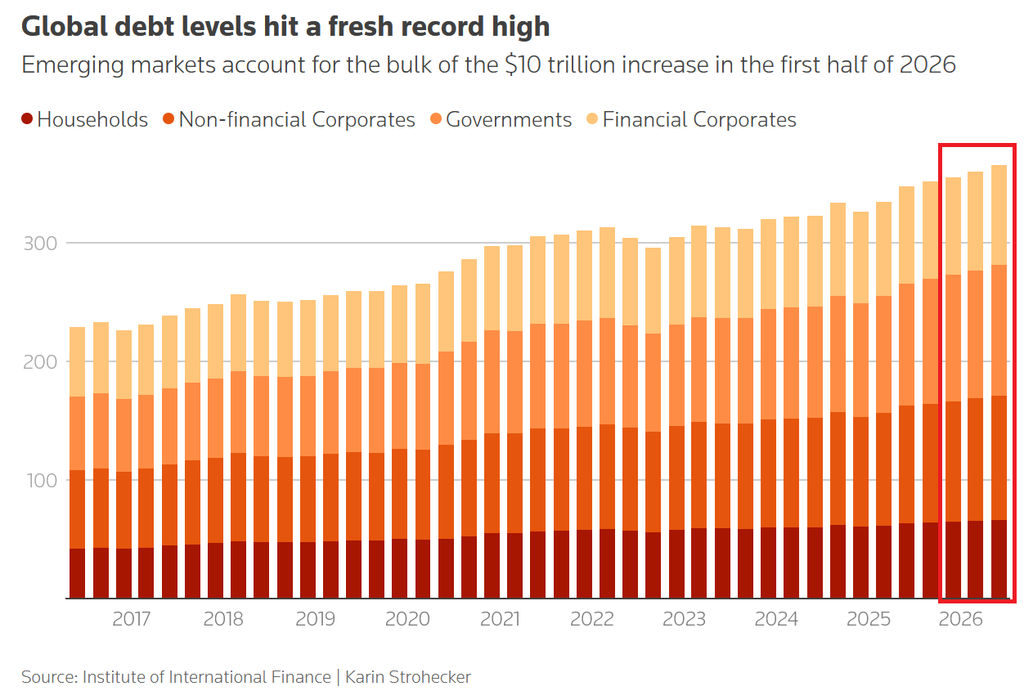
This forces a difficult choice: cut spending, raise taxes, or find ways to keep borrowing costs down.
In our opinion, this will be the main theme investors need to watch over the next 5 to 10 years. There are always plenty of things that impact markets, but we believe the failure to understand this theme will cost an investor dearly.
In a recent video on The Jay Martin Show, Jay Martin discusses one way central banks can influence those costs: “yield curve control”.
The name sounds technical, but the issue for everyday investors is straightforward. What happens to your savings if interest rates stay below the rising cost of living?
How does it work?
Governments borrow money by issuing bonds. A bond is essentially a loan from an investor to the government, in exchange for interest and repayment on a set date.
Normally, investors buying and selling bonds help set the interest rate governments pay.
Under yield curve control, a central bank targets the interest rate on specific government bonds and commits to buying enough of them to maintain that target. Those purchases support bond prices and hold down their yields.
Martin’s concern is that mounting government debt could increase pressure to use this tool to contain borrowing costs. That is a possible future policy response, as this has happened in the past when countries had high debt levels..
Why savers should pay attention
Lower borrowing costs can help households, businesses and governments. The problem for savers is when the interest they earn fails to keep up with inflation. This is what is often referred to as “inflating the debt away”.
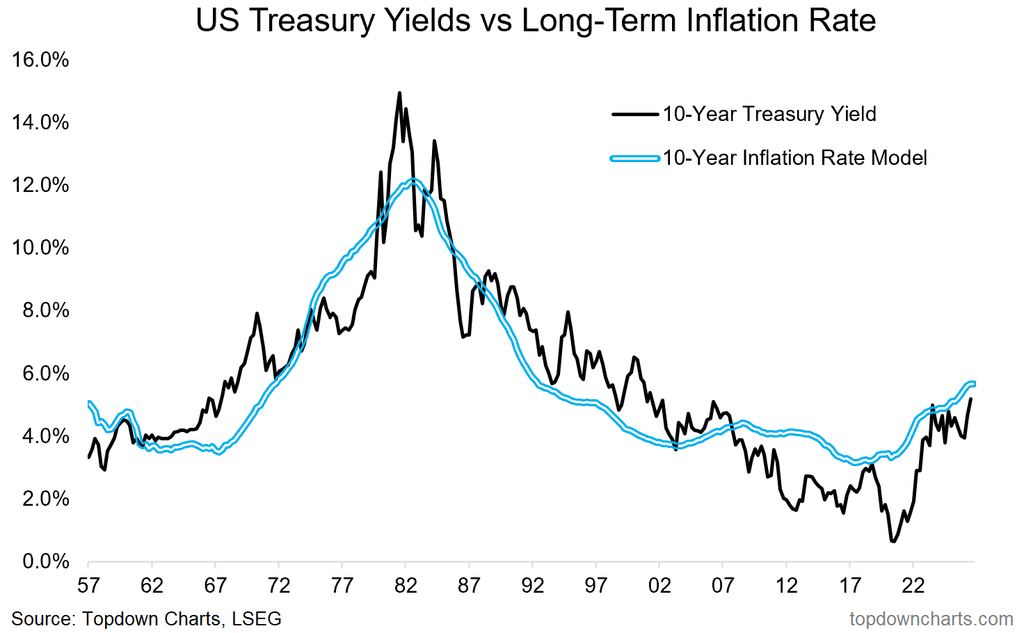
Take this example: $500,000 earning 3% a year, with all interest reinvested, while prices rise by 6% a year.
After ten years, the account would hold about $672,000. But its purchasing power would be equivalent to only $375,000 today, before factoring in taxes or fees.
The balance has increased, yet the amount it can buy, its purchasing power, has fallen by roughly by a quarter.
For someone relying on savings to fund retirement, that matters. Preserving a dollar balance and preserving a lifestyle are two different tasks. Preserving a lifestyle means producing an income stream to live off and keep up your purchasing power for your capital. Inflation reduces the real value (the purchasing power) of investment income and savings.
Martin describes sustained interest rates below inflation as a form of “financial repression”: borrowers benefit from repaying debts in money that buys less, while savers bear a loss of purchasing power.
Australia has already used a version of this policy
In March 2020, the Reserve Bank introduced a target for the three-year Australian Government bond yield as part of its pandemic response. It discontinued the target in November 2021.
The RBA’s subsequent review found that the policy helped lower funding costs and support lending.It also found the target became a poor fit for the changing economy as the recovery strengthened.
That experience shows both how useful the policy is in a crisis, and how hard it is to maintain when conditions change.
What does this mean for your investments?
Martin argues that gold, commodities and other scarce assets could benefit if interest rates are suppressed while inflation remains elevated.
There is a reasonable argument behind that view. However, it needs balance.
Yield curve control also does not automatically produce high inflation. Its effects depend on the wider economy, government policy and how households and businesses respond.
In our view, the practical response is to build a portfolio of low-correlation assets that can handle different outcomes. That means considering access to cash, reliable income, growth opportunities and assets that help protect your purchasing power.
When you review your retirement plan, one question matters just as much as your balance:
Will this money continue to buy the lifestyle you need?

Written by Rob Coyte
Director – Harbourside Investment Management
This information is general advice and does not take account of investors’ objectives, financial situation or needs. Before acting on this general advice, investors should therefore consider the appropriateness of the advice having regard to their objectives, financial situation or needs.