
Executive Summary:
For Australian Financial Advisers structuring managed accounts, physical gold serves as a critical non-correlated asset within multi-asset portfolios. By eliminating issuer liabilities, refinancing requirements and credit counterparty exposures, physical gold provides genuine diversification against highly correlated equity and government bond drawdowns. This strategic allocation helps mitigate systemic fiat risks, ensuring robust risk-adjusted returns amidst rising sovereign debt, declining US dollar reserves and heightened geopolitical instability.
I recently watched Grant Williams’ presentation, Cry Wolf… Again, a follow-up to his 2018 talk. Whether you agree with his conclusions or not, the argument deserves serious consideration from investors because it isn’t really just about forecasting the price of gold. It’s about whether the monetary and financial environment that dominated the last 40 years is fundamentally changing.
Williams uses the reintroduction of wolves into Yellowstone National Park as an analogy. Without an apex predator, the ecosystem became unbalanced. When the wolves returned, they changed not just the animal populations, but behavior across the entire system. Williams argues that gold historically played a similar role in finance, imposing discipline on governments, credit creation, and monetary policy.
His thesis is that removing gold from the monetary system in 1971 allowed governments and central banks to operate with progressively fewer constraints. As a result, debt expanded, leverage increased, and crises were increasingly met with more liquidity and borrowing rather than a healthy clearing of excesses.
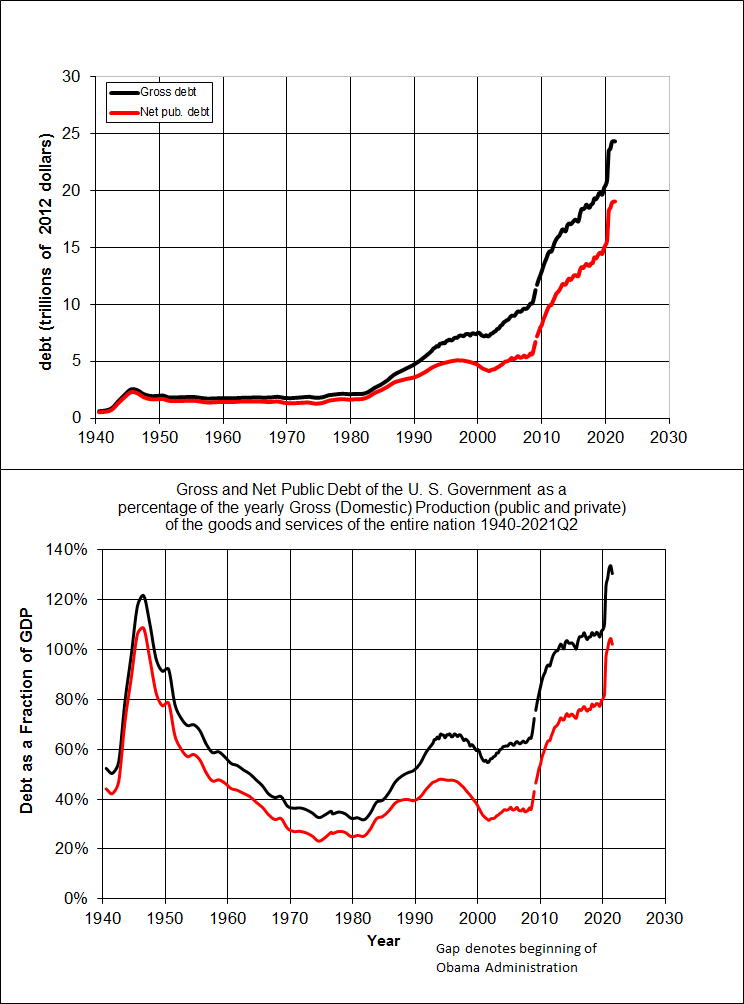

The important question for investors isn’t whether a formal gold standard returns. It’s what happens to portfolios if even a fraction of Williams’ diagnosis is correct.
There are a few reasons this matters right now. Government debt and debt-servicing costs have increased materially. The traditional assumption that bonds will always provide a defense when equities fall was heavily challenged in 2022, when both asset classes suffered. On top of that, central banks have been substantial buyers of gold in recent years, while the US dollar’s share of global foreign-exchange reserves has declined over the longer term.
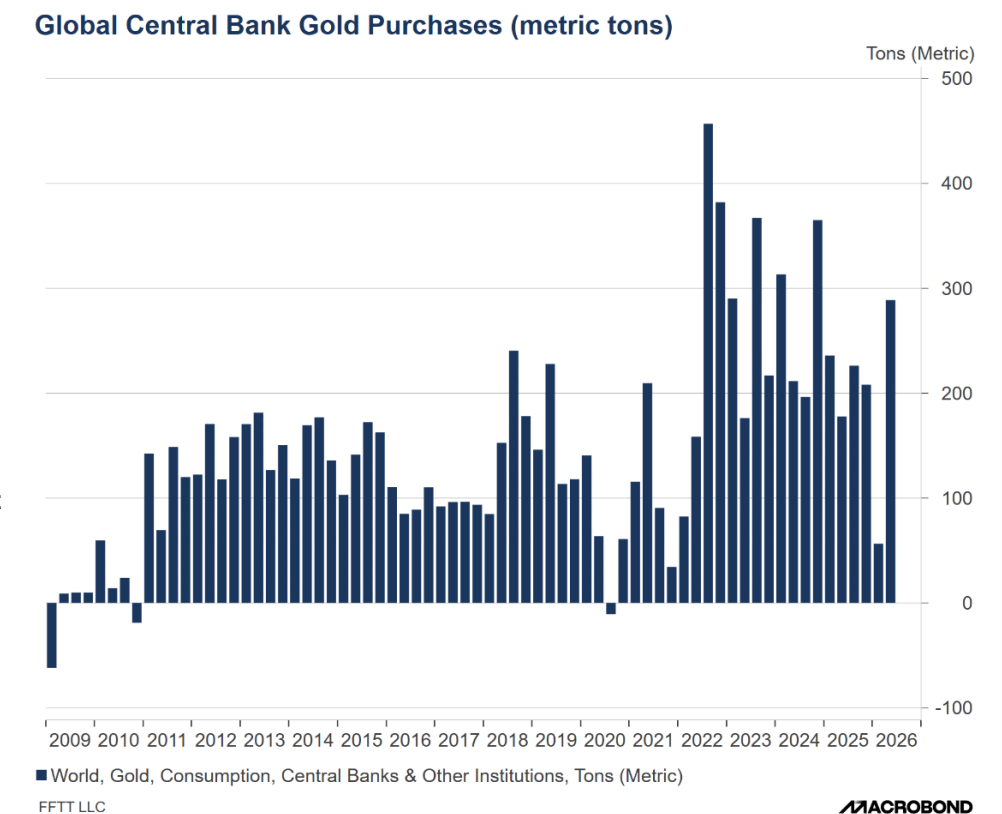
One of the strongest points in the presentation is the idea that gold should be considered partly in terms of the risks you don’t take by owning it. Physical gold has no issuer, no management team, no refinancing requirement, no credit counterparty, and no technological obsolescence. That certainly doesn’t make it risk-free: gold can be volatile, produces no income, and can underperform productive assets for long stretches. But its risks are entirely different.
That distinction is crucial. True diversification isn’t just about owning a wider variety of investments; it’s about owning assets with genuinely different sources of risk.
The practical takeaway here isn’t to abandon conventional investments and buy gold. Productive businesses, fixed income, property, infrastructure, and private assets can all remain important pieces of the puzzle. The more useful conclusion is to stop and question whether portfolios built around the experience of the last 30 to 40 years are sufficiently diversified for the next 20.
Investors should really weigh their concentration in long-duration assets, their reliance on government bonds as the sole defensive allocation, their inflation sensitivity, geopolitical risk, and the broader role of real assets. Gold might deserve a strategic place in that discussion—not because we know exactly what happens next, but precisely because we don’t.
Williams’ central message is well worth considering: the greatest portfolio risk might just be assuming the financial ecosystem hasn’t changed, especially when the evidence increasingly suggests that it has.

Written by Rob Coyte
Director – Harbourside Investment Management
This information is general advice and does not take account of investors’ objectives, financial situation or needs. Before acting on this general advice, investors should therefore consider the appropriateness of the advice having regard to their objectives, financial situation or needs.